
.png)
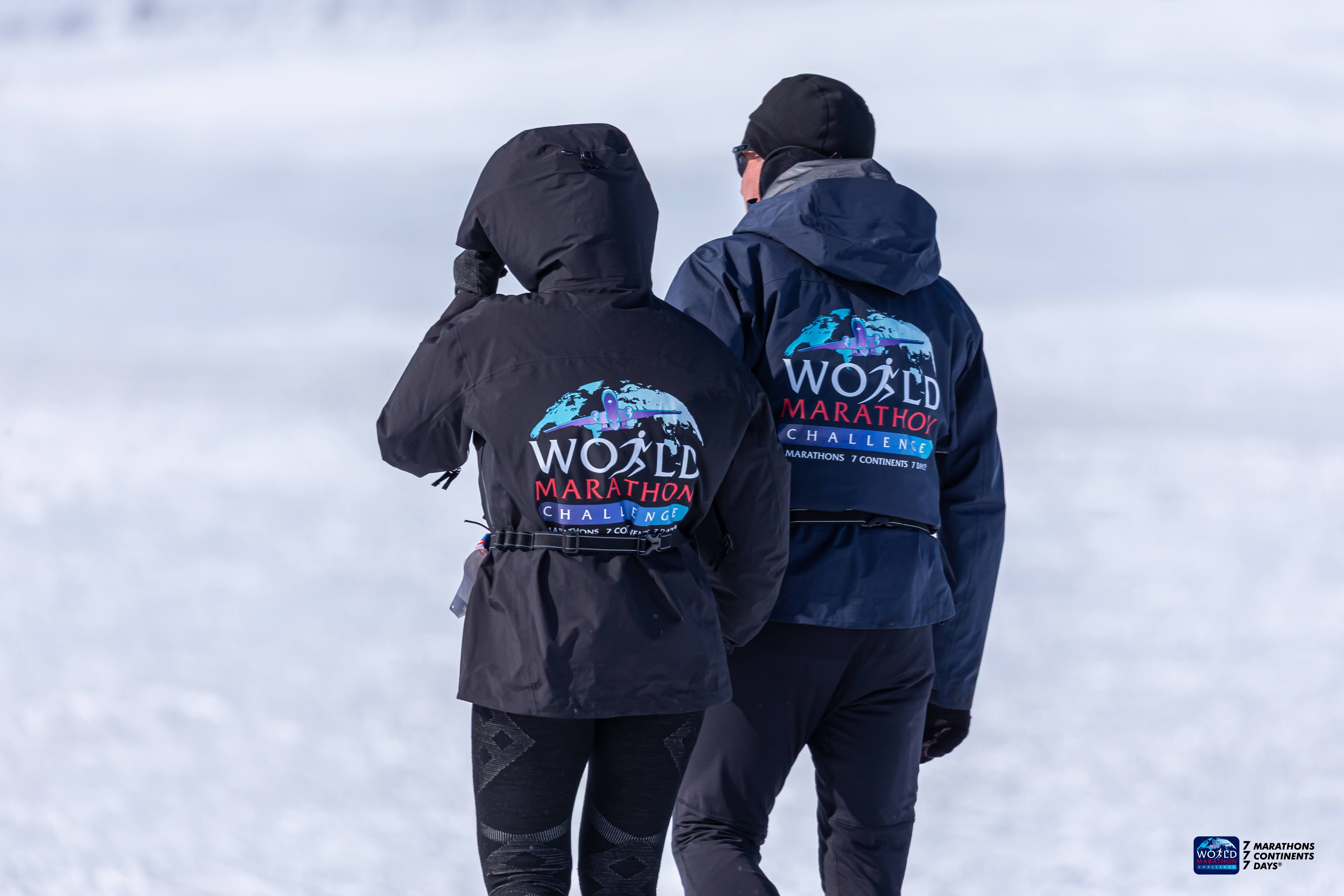
A layering system is necessary to keep you warm while being light enough to enable you to undertake a physical challenge.
Summary
The general idea of a layering system on your upper body is that:
1) A base layer will wick sweat away from your body
2) A mid fleece layer will provide insulation, and
3) An outer shell layer will provide protection from the wind. (Link to the Official Technical Jacket)
Only two layers are necessary on the legs (base layer and outer shell) or you will otherwise overheat.
Many adventure / outdoor shops should be very familiar with a layering system and will be able to advise you on what to wear when running in very cold weather.
Please Note: It is recommended that you bring two sets of base layers for your legs and torso, and an extra fleece for your torso. You will only wear one base layer on your legs and upper body while running, but you can change into the additional dry base layers during the race if you are getting cold and wet. Keeping dry is important in cold conditions! An extra pair of gloves and socks are recommended below for similar reasons.
Please note: The images and links below are provided for reference only. External links may change over time. It is not necessary to use the specific brands or models shown.
head & neck

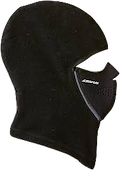
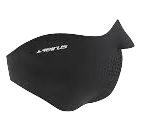
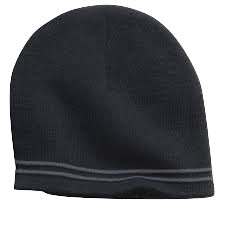


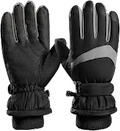
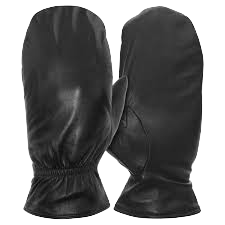

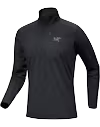

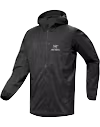
.png)
feet
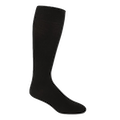
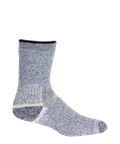
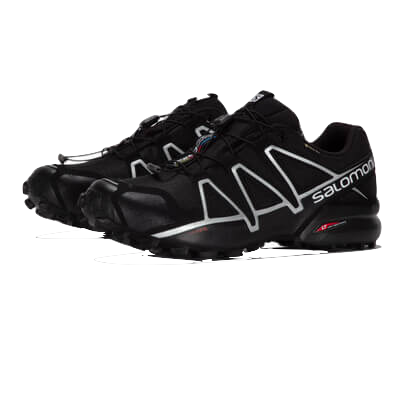

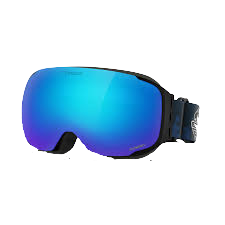
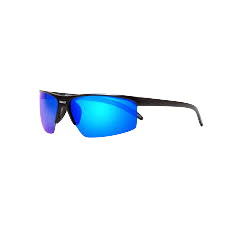


The most important outerwear items you will need when you are not running in Antarctica are:
1. Wind pants
2. Down jacket
3. Insulated boots
You will also need:
- Thermal base layers for your upper and lower body
- A fleece midlayer and fleece pants
- Two pairs of wool socks
- Polarized sunglasses
- Sunscreen with at least SPF 50 and SPF lip balm. Reflected UV rays can reach you from below as well as above.
- Your personal medication for the trip with extra supply
- A duffel bag instead of a suitcase, plus a backpack
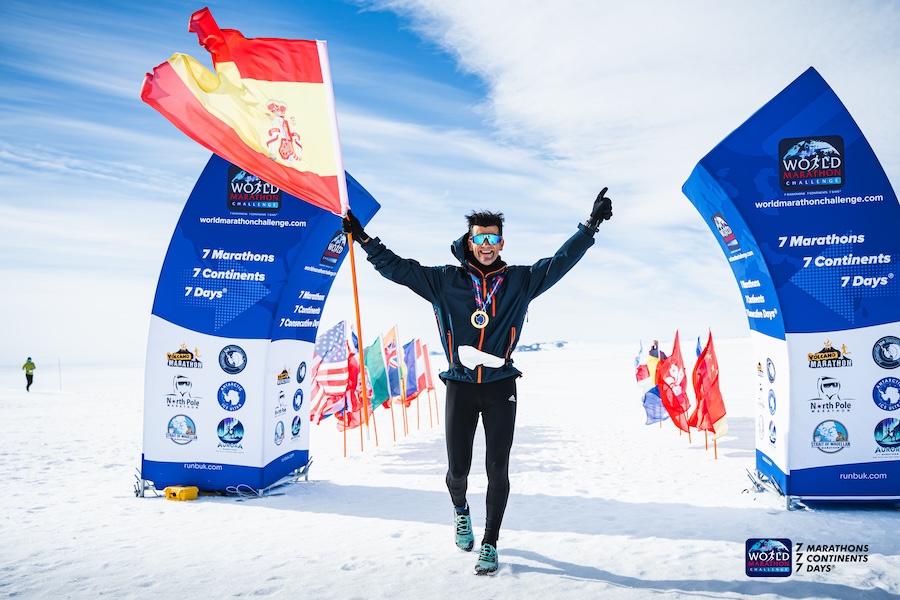
The remaining six marathons are conventional road races but they take place in extraordinary succession. The main differences are temperature, humidity, and sun exposure.
Hot and humid: Wear your lightest singlet or short-sleeve shirt, split shorts, a cap or visor, and sunglasses. Electrolytes are especially important in these conditions (provided at aid stations).
Hot, dry, and high UV: Wear the same kit, with sunscreen.
Cold: The European leg may be your second cold race after Antarctica. Consider a long-sleeve base layer, tights or shorts with leg sleeves, light gloves, a thin hat or headband, and a packable wind shell.
Across all six marathons:
- Prepare six zippered bags, one for each race.
- Bring at least two pairs of road shoes, plus your Antarctic trail shoes.
- Don’t wear anything new. Every item should already have been tested on long runs.
- Keep one warm layer and one dry change of clothes accessible on the aircraft. Much of your recovery will take place in your seat at cruising altitude.
Once you're registered, you get the full version:
- An itemised checklist you can pack against, leg by leg, expected conditions for each host city, with a forecast update before departure.
- Packing method, bag weights and what to carry versus what to check.
- Direct access to our team for anything the list doesn't answer.


%201.png)